This post contains affiliate links. As an Amazon Associate I earn from qualifying purchases.
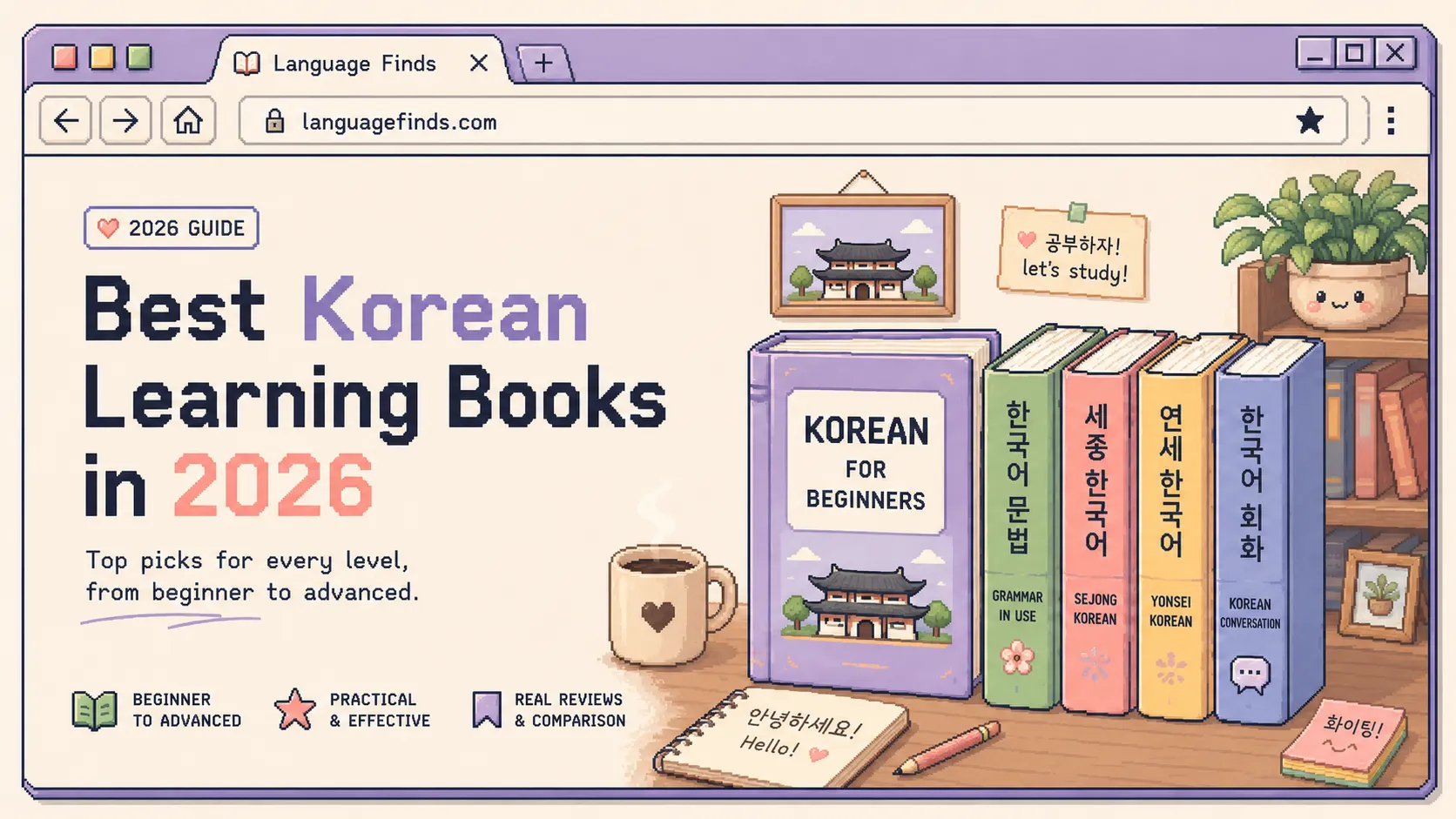
If you are looking for the best Korean learning books, the biggest mistake is assuming they all solve the same problem.
Some books are designed to give you a complete self-study path. Others work better as grammar references, reading practice, or a bridge into natural conversation. The right choice depends less on which title is most popular and more on what is slowing you down right now.
Instead of ranking six books from one to six, I matched each one to the learner it suits best.
Quick Picks: Which Korean Book Fits You?
| Book | Best For | Level | Audio |
|---|---|---|---|
| Talk To Me In Korean Textbook Series | Structured Korean self-study | Beginner–Advanced | ✅ Free stream/download |
| SNU Korean+ | Traditional Korean textbook study | Beginner–Advanced | ✅ Official audio |
| Korean Mate | Modern, visual textbook study | A1–B2 | ✅ Free MP3 |
| Korean Grammar in Use | Grammar reference | Beginner–Advanced | ✅ Free MP3 |
| Easy Korean Reading for Beginners | Korean reading practice | Beginner+ | ✅ Reading audio |
| Real-Life Korean Conversations: Intermediate | Natural speaking and listening | Intermediate | ✅ Conversation recordings |
If you are starting from zero and want one clear path, I would begin with TTMIK or SNU Korean+. If traditional textbooks repeatedly make you lose motivation, Korean Mate gives you another structured option with a much more visual presentation.
If you already have a study system but keep stopping to look up grammar, Korean Grammar in Use is the more useful purchase. For learners who know the basics but still struggle with real Korean, Easy Korean Reading and Real-Life Korean Conversations tackle two different transition problems: connected reading and natural spoken interaction.
How I Chose These Korean Learning Books
I compared curriculum structure, level fit, English support, audio availability, self-study friendliness, and the specific problem each book solves. I also checked official book information and recurring learner feedback rather than including a title simply because it appears on other recommendation lists.
Books that substantially duplicated another choice were left out. Audio received extra weight because Korean learners need to connect written forms with actual pronunciation and connected speech.
Ratings reflect how well each book serves its intended learner, not which book is universally “best.”
Building Your Foundation: Start Here if You’re New to Korean
These are the books I would consider when you still need a system.
The main question here is not which textbook contains the most grammar. It is which format you are actually willing to follow long enough to build a foundation.
1. Talk To Me In Korean — Best for Structured Self-Study Without the Textbook Feel
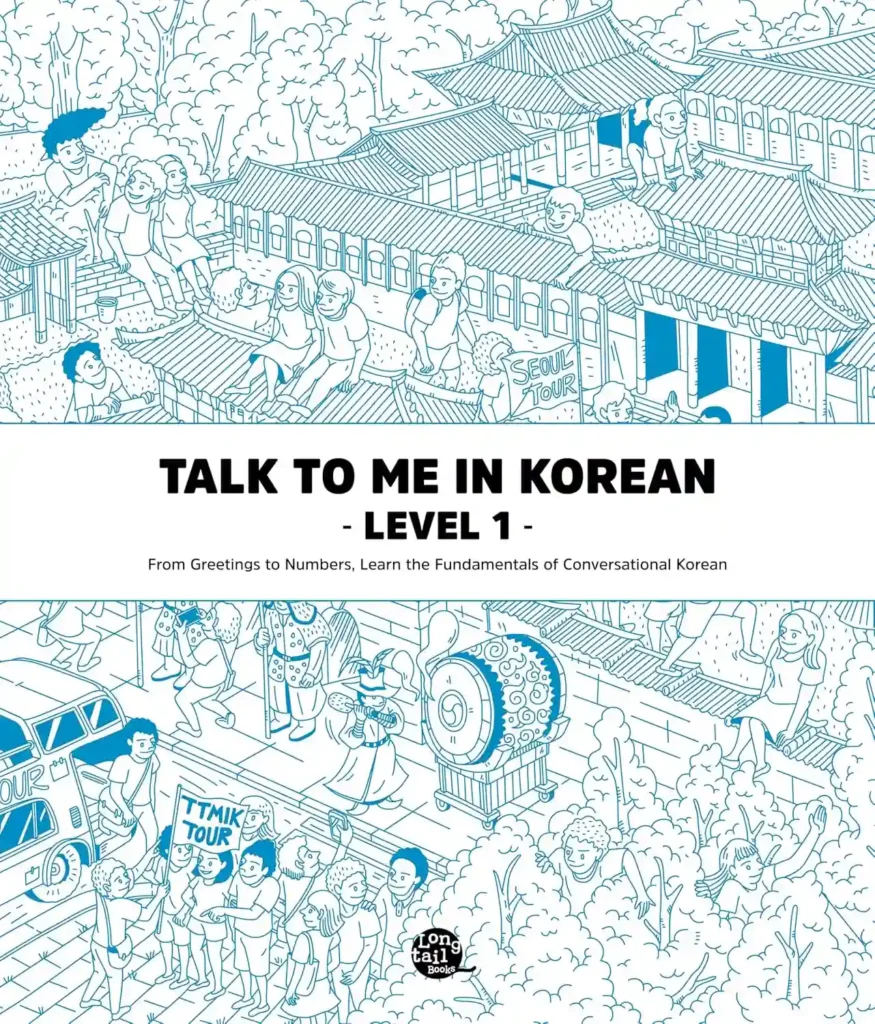
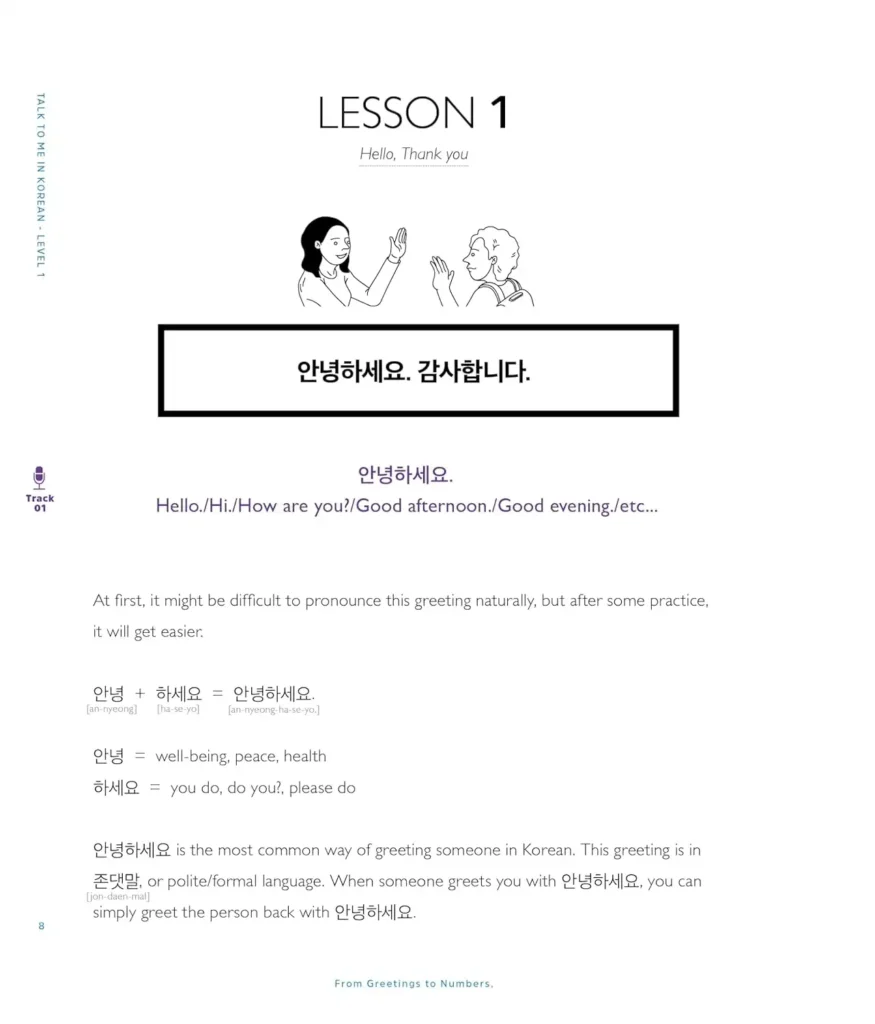
Talk To Me In Korean is the easiest recommendation here for someone whose main problem is:
“I want to study Korean by myself, but I need someone to tell me what comes next.”
The core textbook series gives you a clear progression while keeping individual lessons relatively approachable. You can move from beginner grammar and everyday sentence patterns into more complex Korean without rebuilding your study system every few months.
The lighter presentation is a big part of the appeal. If a traditional coursebook makes Korean feel like a class you are forcing yourself to attend, TTMIK is easier to keep opening. A simple study loop works particularly well here: learn → listen → produce → review.
Verdict: 9/10 — One of the strongest starting points for an English-speaking Korean self-learner who wants a clear sequence without an academic textbook feel. If you genuinely prefer dense explanations, longer exercises and a university-course structure, I would choose SNU Korean+ instead.
Check Talk To Me In Korean Level 1 on Amazon →
Listen to the official TTMIK book audio →
2. SNU Korean+ — Best for Learners Who Want a Traditional Korean Textbook
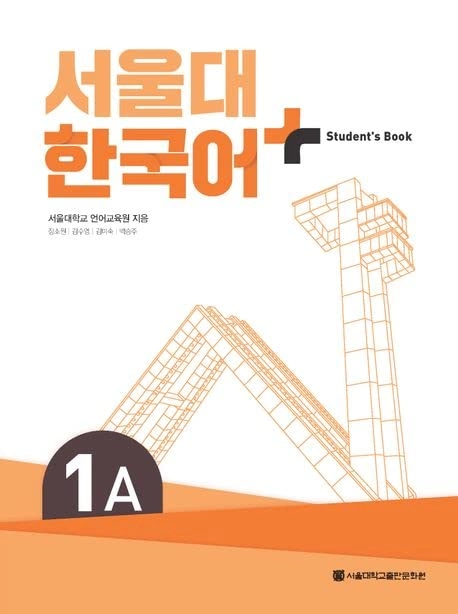
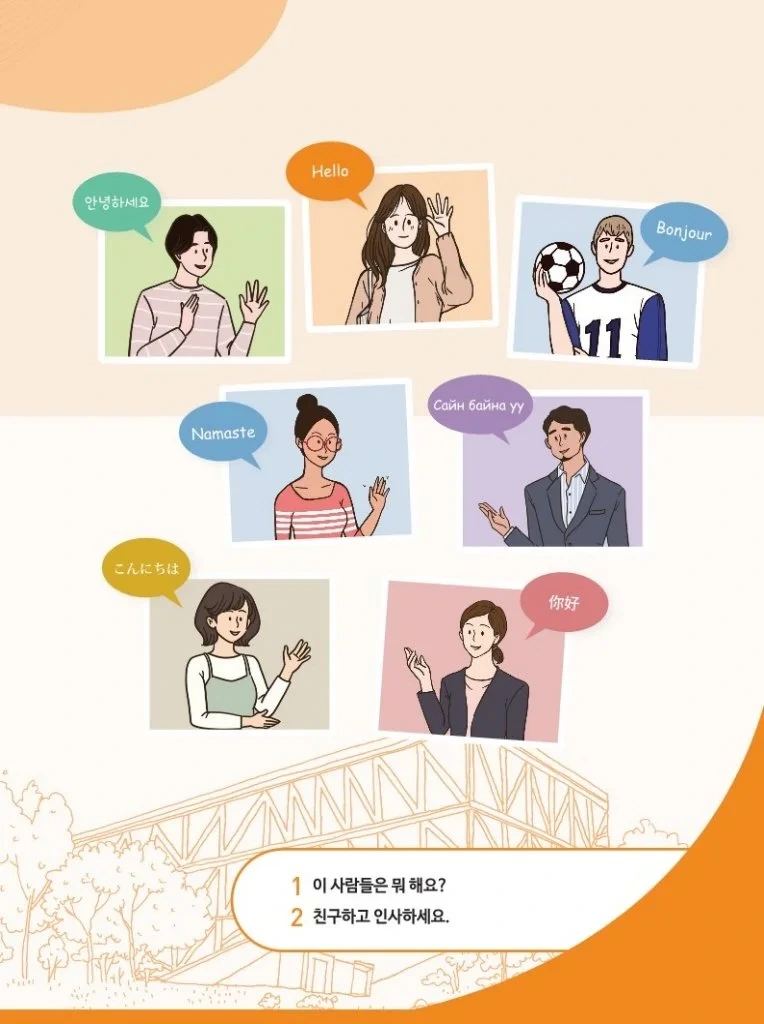
Some learners want exactly what TTMIK is trying not to feel like: a proper language-course textbook.
SNU Korean+ comes from the Seoul National University Language Education Institute and follows a more formal Korean curriculum. It organizes vocabulary, grammar, dialogues, listening, speaking, reading, and writing into a clear progression, with workbooks available for additional practice.
This is the option I would lean toward if you like studying systematically and want a textbook to organize what comes next. It feels more academic than TTMIK, but that is exactly the appeal for learners who enjoy knowing they are progressing through a real course rather than collecting separate resources.
Verdict: 8.5/10 — SNU Korean+ is my pick for learners who want the feeling of following a serious Korean course without constantly assembling resources from different places. I would skip it only if textbook-heavy study is exactly what has made you quit Korean in the past.
Check SNU Korean+ Student’s Book 1A on Amazon →
3. Korean Mate — Best if Traditional Korean Textbooks Feel Too Dry
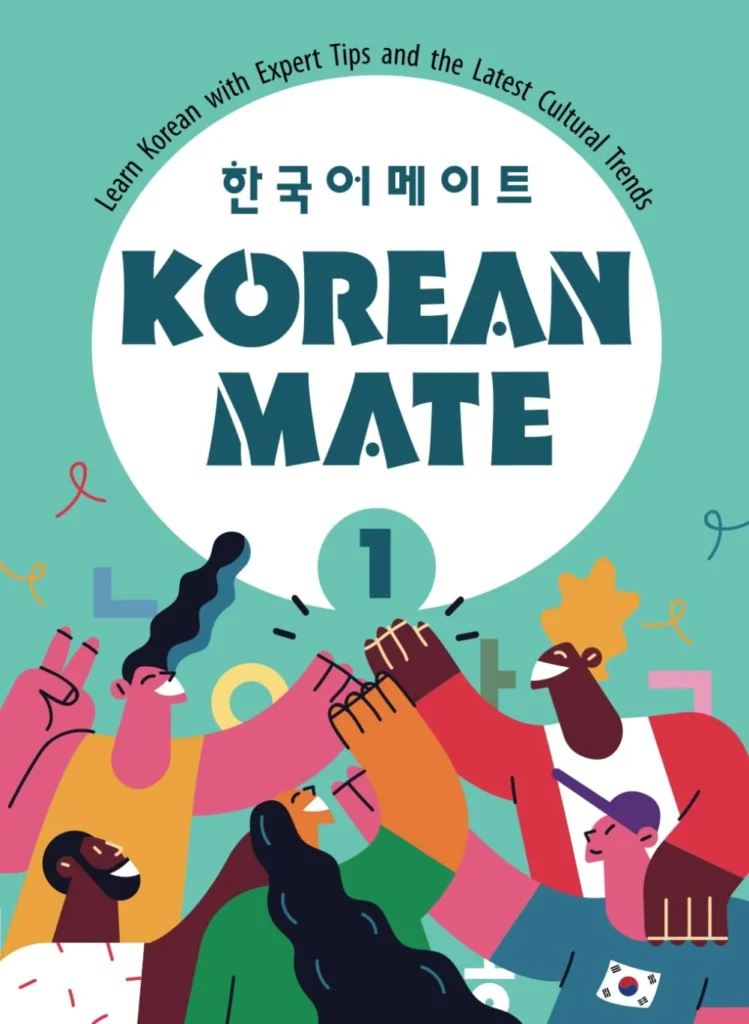
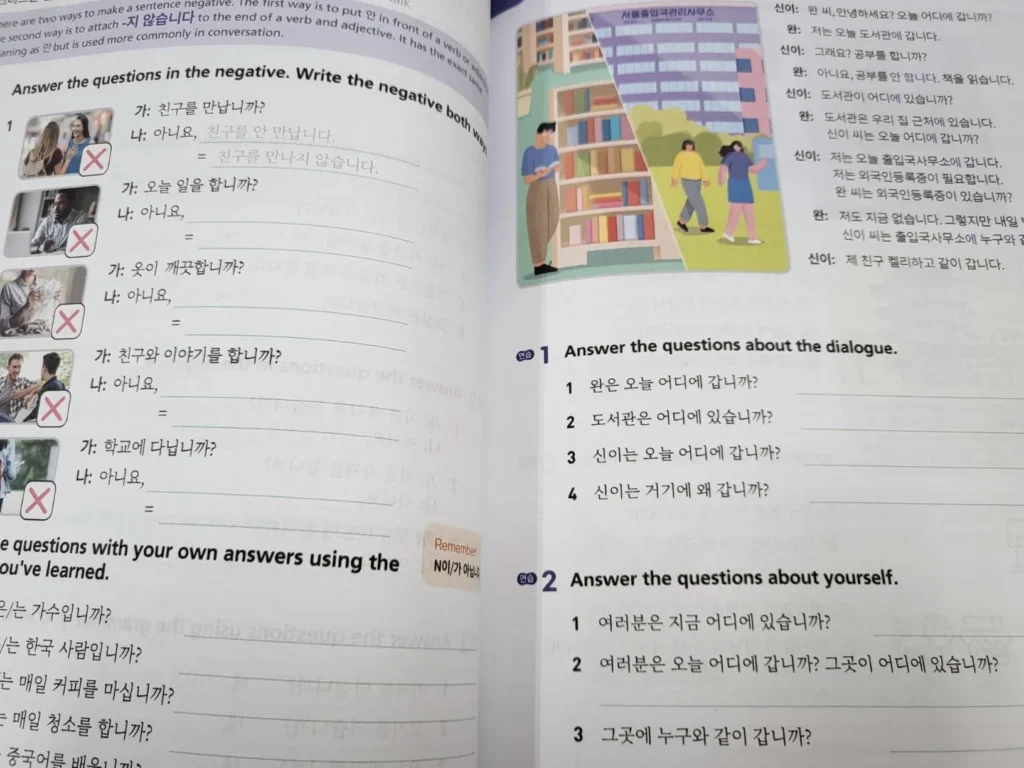
Korean Mate is probably the least predictable recommendation on this list.
Its colorful design makes it look much lighter than a university textbook, but underneath that presentation is a structured four-book series running from A1 to B2. It covers the four core skills and comes with additional learning resources such as MP3 audio, transcripts, word lists, and flash cards.
That gives Korean Mate a useful position between something light and something systematic. If illustrations, contemporary topics, and cleaner layouts make you more likely to keep studying, there is no reason a textbook has to look academically intimidating to provide real structure.
Verdict: 8/10 — Korean Mate is the option I would show someone who wants a real curriculum but keeps losing motivation with traditional Korean textbooks. Choose SNU Korean+ if you actively prefer an academic coursebook, or Korean Grammar in Use later if grammar depth becomes the bigger problem.
Check Korean Mate 1 on Amazon →
Get the official Korean Mate study resources →
The Reference Layer: Add This Once You’re Studying Regularly
A reference book has a different job from your main textbook.
You do not necessarily work through it from beginning to end. You keep it nearby for the moment when a sentence makes sense in translation but the Korean itself still does not.
4. Korean Grammar in Use — Best When Grammar Keeps Slowing You Down
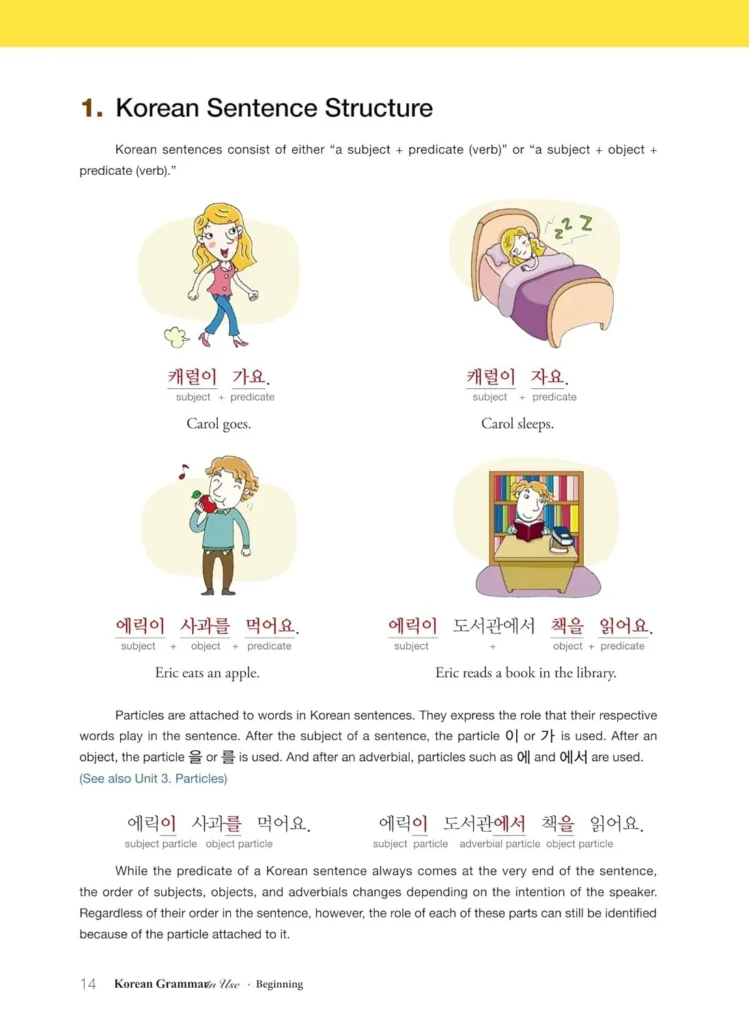
There is a point in Korean where knowing the English translation is no longer enough.
You understand that two grammar patterns both seem to mean “because,” “while,” or “even though,” but you still cannot tell why one sounds natural in a particular sentence and the other does not. That is where Korean Grammar in Use becomes much more useful than another general textbook.
Its real strength is comparison. Related grammatical constructions are placed close enough together that you can see differences in meaning and usage instead of memorizing every ending as an isolated rule.
This is also the book I would keep nearby while studying something else. A drama line, podcast transcript, or sentence from your main textbook gives you the problem; Korean Grammar in Use helps you investigate it.
Verdict: 9/10 — As a Korean grammar reference, this is one of the easiest books to recommend. I would not use it as my only beginner course, but I would happily keep it beside whichever course, drama, article, or podcast I was already studying from.
Check Korean Grammar in Use: Beginning on Amazon →
See Korean Grammar in Use on Darakwon →
Breaking Out: When Textbook Korean Isn’t Enough Anymore
At some point, the problem changes.
You may know the grammar point when it appears alone in a lesson but fail to recognize it inside a paragraph. You may understand a dialogue after reading the translation but freeze when someone says something similar at normal speed.
These books are useful when knowing Korean and processing Korean start to feel like two different skills.
5. Easy Korean Reading for Beginners — Best for Moving Beyond Textbook Sentences
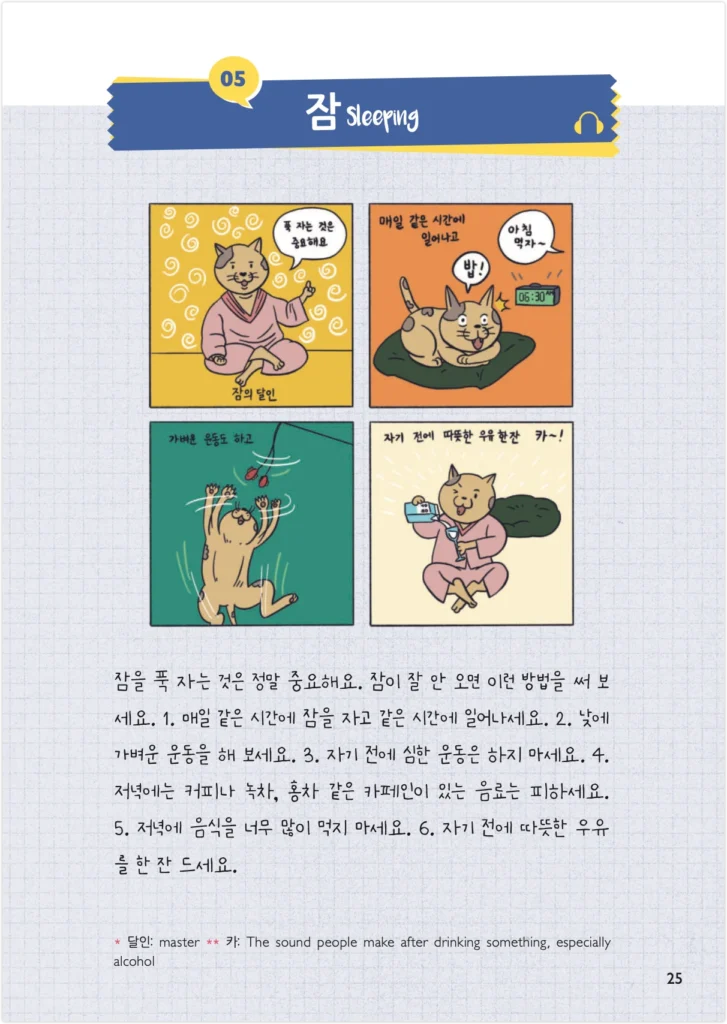
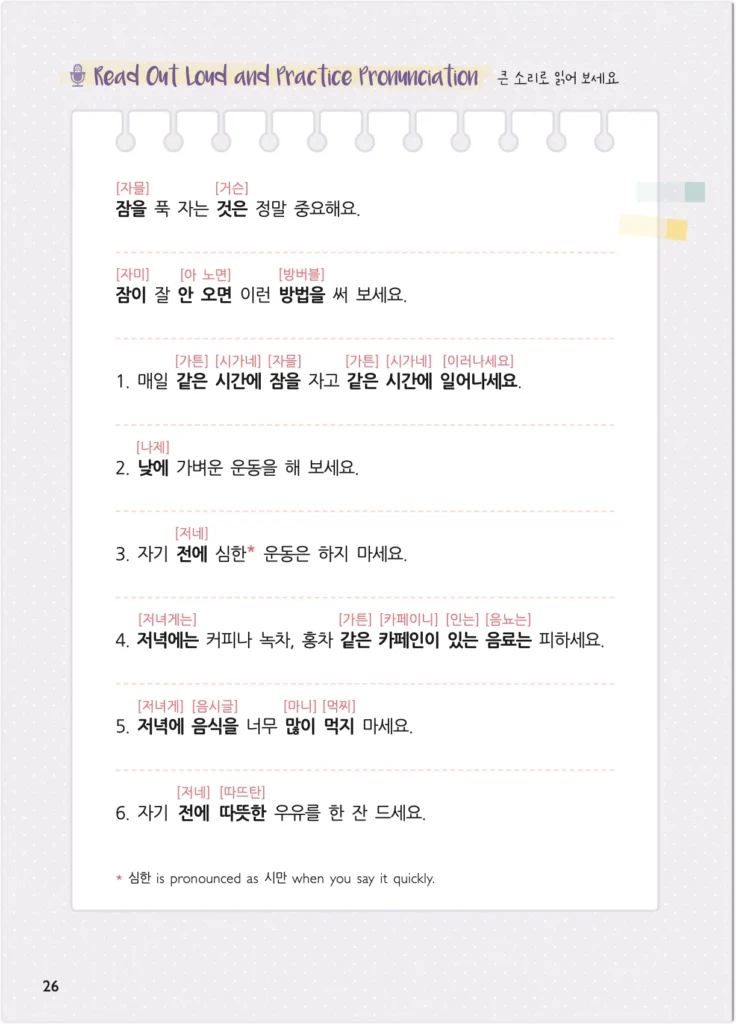
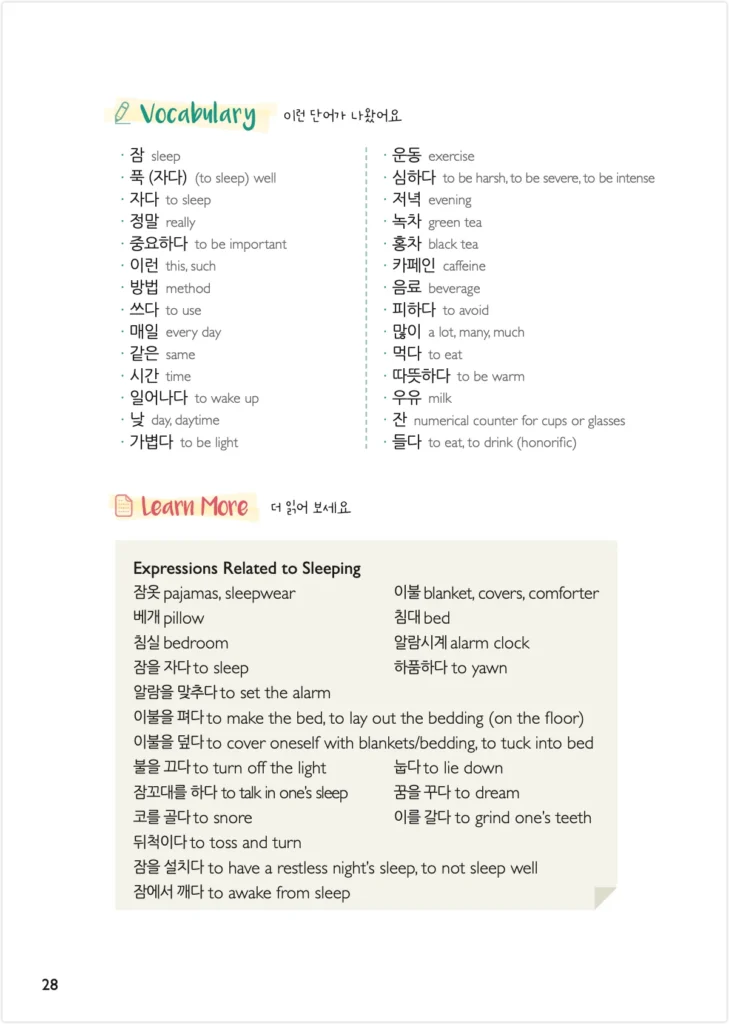
Beginner Korean creates a strange gap.
You can understand one grammar point at a time, yet the moment several familiar patterns appear together in a paragraph, the Korean suddenly feels much harder.
Easy Korean Reading for Beginners is designed for that transition. It uses 30 short stories built around everyday life, with vocabulary support, English translations, and companion audio.
The audio is one reason I like this book as a bridge resource. Read the passage once, listen without looking, replay while following the Korean, then return to the text and notice what became easier to recognize. You are training reading, listening, and pronunciation around the same piece of Korean instead of treating them as separate exercises.
Verdict: 8.5/10 — A very good bridge between studying isolated beginner sentences and attempting real Korean articles or longer texts. I would wait if you are still decoding Hangul slowly, but once basic textbook material starts feeling comfortable, this book has a clear job.
Check Easy Korean Reading for Beginners on Amazon →
See Easy Korean Reading on TTMIK →
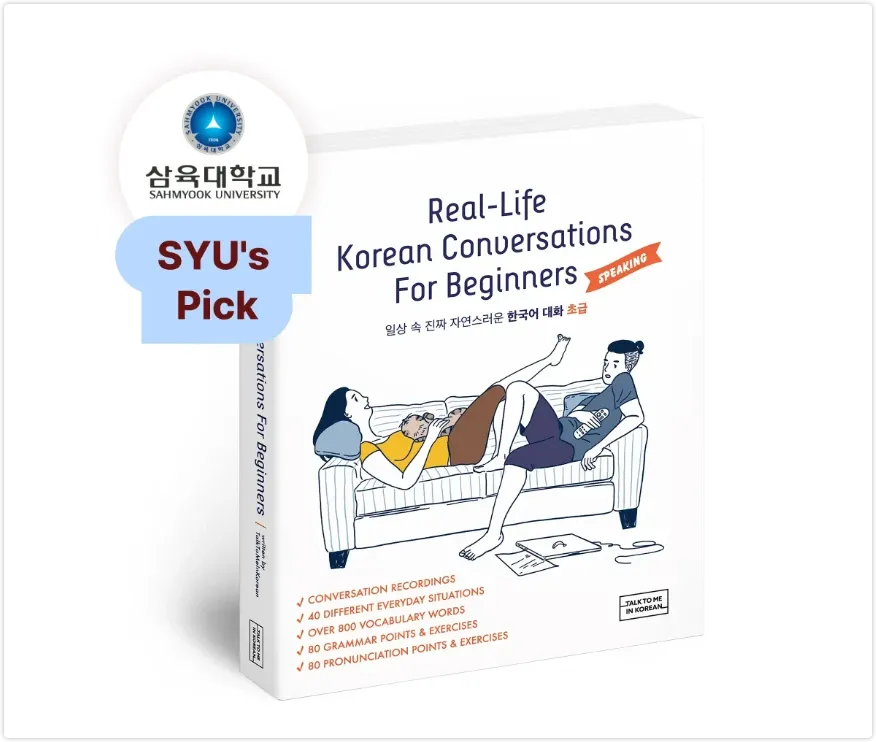
6. Real-Life Korean Conversations: Intermediate — Best When You Understand Korean but Struggle to Speak
Intermediate Korean has its own frustrating gap.
You may understand grammar explanations and recognize a lot of vocabulary, yet still freeze when a pharmacist asks a follow-up question, a colleague gives directions quickly, or two people in a drama start talking over each other. The Korean is not necessarily advanced. You simply have not had enough practice processing familiar language as part of a real exchange.
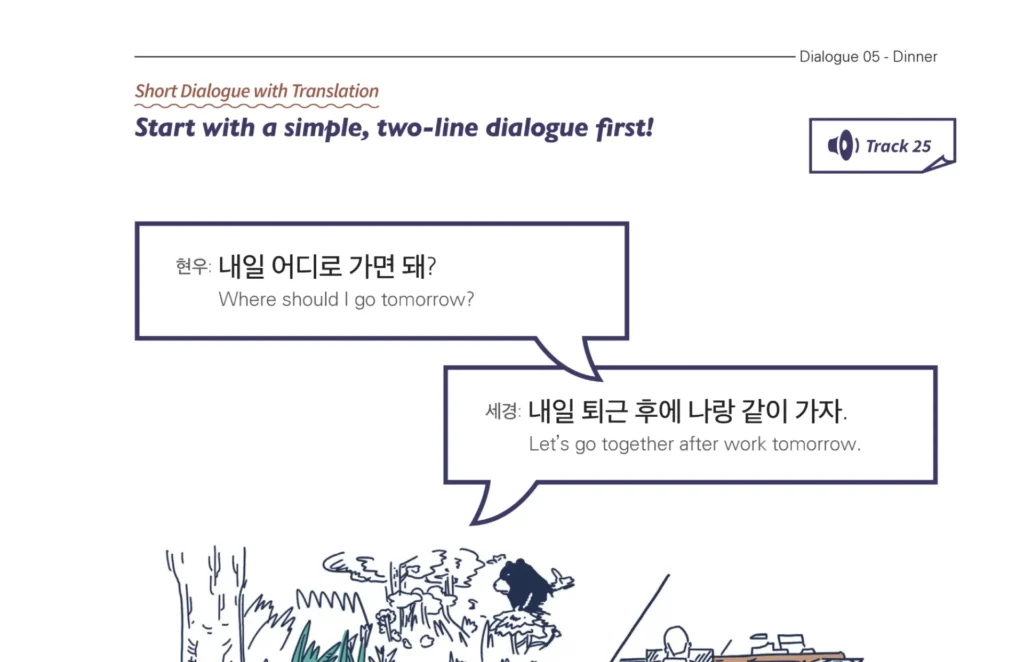
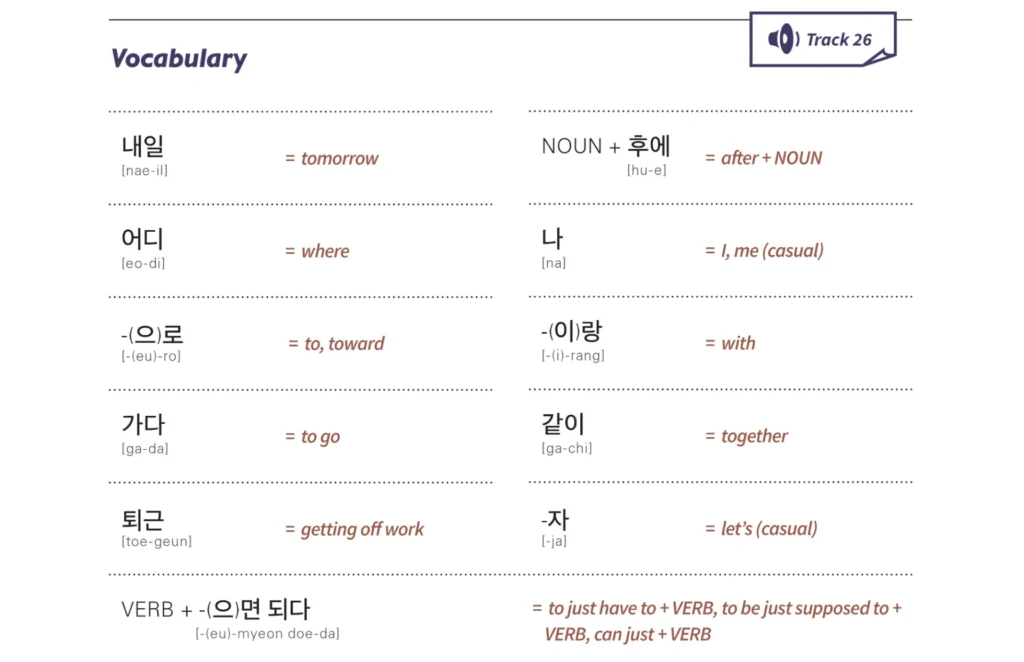
Real-Life Korean Conversations: Intermediate is built for this stage. Instead of presenting one clean example sentence at a time, it works through complete everyday conversations with vocabulary and intermediate sentence patterns.
This is the book I would use actively rather than simply read through. Listen to an exchange once without the text, work through what you missed, then replay it and imitate a few lines. Eventually, cover one speaker’s side and try to respond yourself.
Verdict: 8.5/10 — A strong choice once the problem is no longer “I don’t know Korean grammar” but “I cannot process and use what I know quickly enough.” Beginners should wait; intermediate learners who have become too comfortable with textbook dialogue will get much more from it.
Check Real-Life Korean Conversations: Intermediate on Amazon →
SNU Korean+ vs. Yonsei Korean: Which Textbook Should You Choose?
SNU and Yonsei both come from major Korean university language programs, but their textbook structures are quite different.
For independent study, I would start with SNU Korean+. It gives you a conventional Student’s Book and accompanying Workbook within one clearly sequenced curriculum.
The New Yonsei Korean series is more modular, with material divided into Vocabulary & Grammar, Speaking & Writing, and Listening & Reading books. That structure makes Yonsei particularly attractive when a teacher, class, or course is guiding which component to use.
For someone choosing one Korean textbook and working through it alone, SNU feels simpler to start with. I would therefore treat Yonsei as an excellent alternative rather than adding it as a seventh main recommendation.
Which Korean Learning Books Come With Audio?
Audio should be part of the buying decision, especially with Korean.
Being able to recognize a sentence on paper does not automatically mean you will recognize it when someone says it. Pronunciation changes, connected speech, rhythm, and pacing become much easier to understand after you have heard the same language repeatedly.
| Book | Audio Support | Best Way to Use It |
|---|---|---|
| TTMIK Textbooks | Free book audio | Listen after each lesson |
| SNU Korean+ | Official companion audio | Pair listening with each unit |
| Korean Mate | Free MP3 + transcripts | Listen while working through lessons |
| Korean Grammar in Use | Free MP3 | Hear grammar in example sentences |
| Easy Korean Reading | Reading audio | Read → listen → reread |
| Real-Life Korean Conversations | Dialogue recordings | Replay and imitate exchanges |
I would not simply ask whether a Korean textbook has audio.
Ask what the audio lets you do.
For Easy Korean Reading, it supports reading fluency and pronunciation. For Real-Life Korean Conversations, the dialogue recordings are central to how I would use the book. For Korean Grammar in Use, the audio supports the grammar explanations rather than becoming the main learning activity.
Which Korean Book Should You Actually Buy?
You probably need one main Korean book, not six.
If you are starting from zero and want friendly structure, choose Talk To Me In Korean.
If you want a more formal Korean textbook, choose SNU Korean+.
If you want structure but traditional textbook design makes studying feel like work, try Korean Mate.
If you already have a study system but grammar keeps confusing you, add Korean Grammar in Use.
If beginner lessons are becoming easy but actual Korean text still looks intimidating, choose Easy Korean Reading for Beginners.
If you understand far more Korean than you can comfortably use in conversation, move into Real-Life Korean Conversations: Intermediate.
The main book should give your study a direction. Everything else can solve a smaller problem when that problem actually appears.
Once you have that structure, start adding Korean that was created for something other than teaching. A drama, podcast, interview, or article gives the grammar and vocabulary in your book somewhere to live.
If dramas are already part of why you study Korean, continue with 20 Best K-Dramas to Learn Korean by Difficulty & Learning Value →.
Best Korean Learning Books FAQs
What is the best Korean learning book for beginners?
For independent beginners, Talk To Me In Korean Level 1 is the easiest place to start if you want short, guided lessons and companion audio. SNU Korean+ 1A is a stronger choice if you prefer the structure of a traditional language textbook.
What is the best Korean textbook for self-study?
There is no single best choice for every self-learner. TTMIK is easier to work through in smaller sessions, while SNU Korean+ gives you more of a university-textbook experience. Korean Mate is worth considering if visual design and contemporary presentation help you stay engaged.
Can I learn Korean from books alone?
Books can organize grammar, vocabulary, and reading very well, but Korean also needs regular listening and eventually output. Choose a book with usable audio, then gradually add conversations, podcasts, videos, or dramas so the Korean on the page becomes language you can recognize in real time.
Which Korean learning books come with audio?
All six main recommendations in this guide have official audio support in some form.
More importantly, the audio serves different purposes: course reinforcement in TTMIK and SNU Korean+, grammar examples in Korean Grammar in Use, reading fluency in Easy Korean Reading, conversation practice in Real-Life Korean Conversations, and lesson support in Korean Mate.
Final Thoughts
The best Korean learning book is not necessarily the most comprehensive one.
It is the book that solves the problem you have right now.
If you still need structure, choose a course you can realistically follow. If grammar keeps interrupting your study, add a reference book. If textbook Korean already feels comfortable, start moving toward longer reading and natural conversation.
You do not need a shelf full of Korean textbooks.
You need one book that gives you direction, then the right resource when the next problem appears.
Innovative Language